25 November 2026
Where should you place botanical art in a narrow hallway?
Presented by @quietinteriors
A narrow hallway often feels like a forgotten passage, a space you move through rather than a room you inhabit. Yet that long, uninterrupted wall presents an opportunity to add depth and calm. The goal is to choose pieces that draw the eye upward and create a sense of rhythm, rather than adding visual clutter that makes the corridor feel tighter. Preserved moss wall art, with its soft texture and muted greens, works especially well because it absorbs light rather than reflecting it, making the hallway feel wider and more grounded.
Start by treating the hallway as a gallery wall, but with a single, unified element rather than a busy collection. A series of evenly spaced moss panels, each the same size, can guide a visitor naturally from one end to the other. Alternatively, one large, rectangular piece placed at eye level near the midpoint of the wall anchors the space and gives the eye a resting place. The key is to keep the arrangement simple and deliberate, so the hallway feels curated, not cluttered.
Choosing the right scale for a narrow corridor
Scale is everything in a tight space. A single, oversized piece that takes up most of the wall can make the hallway feel like an art tunnel, which is dramatic but can be overwhelming. Instead, aim for pieces that leave at least six to eight inches of bare wall on either side. This breathing room keeps the hallway from feeling cramped and allows the botanical art to stand out without dominating the sightline.
For a very narrow hallway, consider vertical panels that echo the height of the room. A tall, narrow moss panel draws the eye up and makes the ceiling feel higher, a useful trick in older apartments with lower ceilings. If the hallway has a longer run of wall, a horizontal arrangement of two or three smaller panels can create a sense of movement that mirrors the path of travel. The spacing between panels should be consistent, about three to four inches, to maintain a clean, museum-like look.
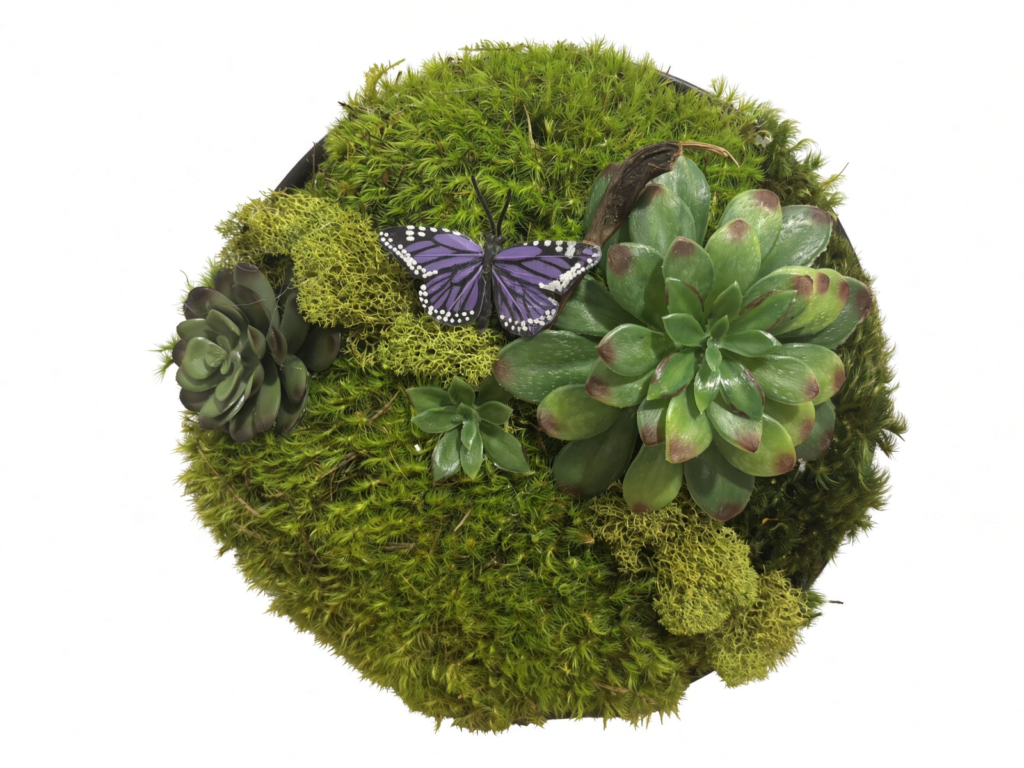
Positioning for maximum impact
The most effective spot for botanical art in a narrow hallway is at eye level, roughly 57 to 60 inches from the floor to the center of the piece. This is the standard gallery height and works well because it aligns with the natural sightline of someone walking through. If the hallway has a focal point, such as a light fixture or a console table, center the art above or beside it to create a visual anchor.
For hallways that lead to a door or a window, place the art so it draws the eye toward that exit, making the space feel longer and more intentional. Avoid placing large pieces directly opposite a mirror, as the reflection can double the visual weight and make the hallway feel crowded. Instead, use a mirror on one wall and a single moss panel on the opposite wall to balance the space without overwhelming it.
Using vertical space and corners
Narrow hallways often have unused corners or awkward alcoves that can become natural homes for botanical art. A corner shelf with a small preserved moss panel, or a hanging moss piece that wraps around the corner, can soften the transition between walls and add a surprising element of nature. For a truly tight space, consider a vertical strip of moss that runs from near the ceiling to about waist height, creating a living column that adds texture without taking up floor space.
Another option is to use the wall above a radiator or a low shelf. Many narrow hallways have a radiator or a small console table against one wall. Placing a narrow moss panel above it uses that vertical space effectively and turns an otherwise empty wall into a deliberate design moment. Just ensure the art is not in direct line of heat or moisture, as preserved moss can dry out or absorb humidity over time.
Lighting considerations for botanical art
Lighting can make or break a narrow hallway display. Harsh overhead light can flatten the texture of moss art, while a warm, directional light can bring out its depth. If the hallway has a track light or a recessed spot, aim it at the moss panel to create a gentle glow that highlights the organic surface. Avoid placing art directly under a bright light source, as the contrast between the lit art and the dark wall can feel harsh.
For hallways with low natural light, consider adding a small picture light above the moss panel. The soft illumination mimics daylight and helps the moss retain its natural vibrancy. If you use battery-operated lights, choose ones with a warm color temperature, around 2700 to 3000 Kelvin, to match the earthy tones of the moss.
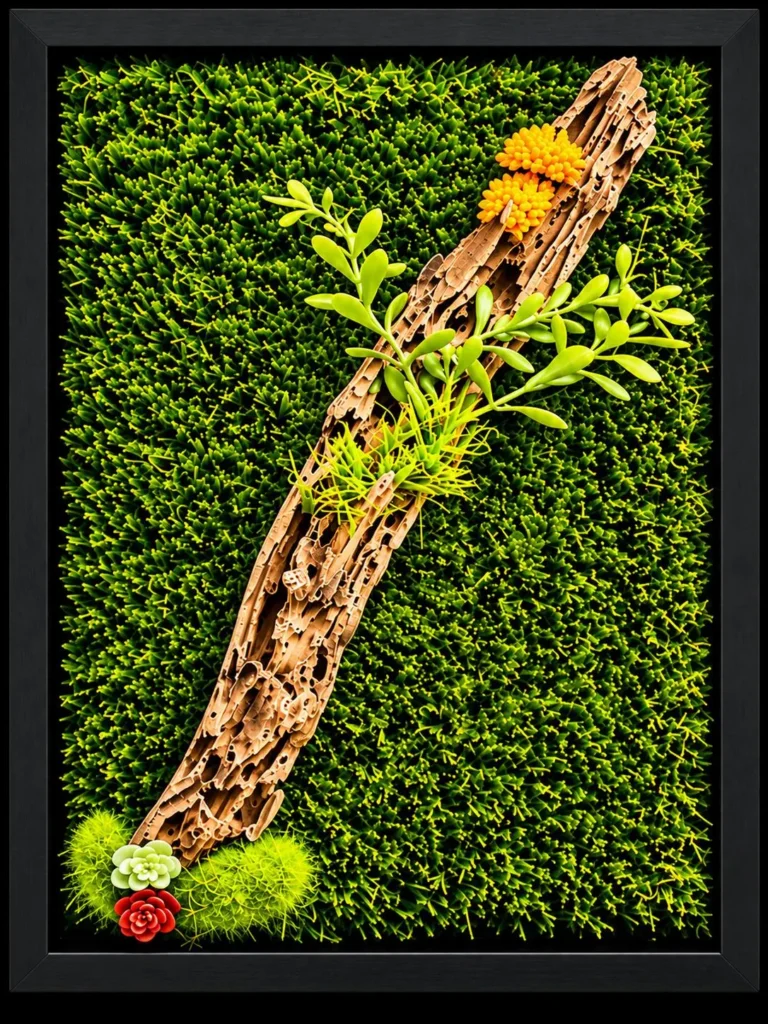
Balancing multiple pieces in a long hallway
In a long, narrow hallway, a single piece can get lost. A series of three or five moss panels spaced evenly along the wall creates a rhythm that guides the eye from one end to the other. The spacing between panels should be consistent, about eight to twelve inches for a dramatic effect or closer together for a denser look. The panels can be identical or vary slightly in size, as long as the overall arrangement feels balanced.
For a more organic feel, stagger the panels at slightly different heights, but keep the variation subtle. A difference of two to three inches is enough to add interest without creating visual chaos. Avoid hanging them in a straight line that matches the floor or ceiling line; a slight offset mimics the natural asymmetry of a garden wall.
If the hallway has a door or a window, treat it as part of the composition. Place a panel beside the door to balance the visual weight, or hang one above a window to draw the eye upward. The goal is to use the art to connect the hallway to the rest of the home, making it feel like a deliberate extension of the living space rather than a forgotten corridor.
Choosing the right material for small apartments
Preserved moss is an excellent choice for small apartments because it requires no watering, no soil, and no natural light. It stays green and soft for years with minimal care, making it ideal for hallways that may not have ideal growing conditions. The texture of moss also absorbs sound, which can help reduce the echo in a long, narrow hallway.
For renters or those who prefer flexibility, consider removable hanging systems that do not damage the wall. A lightweight moss panel can be mounted with adhesive strips or a simple wire hanger, making it easy to rearrange or take down when moving. This flexibility allows you to experiment with placement before committing to a permanent arrangement.
When selecting moss art for a narrow hallway, look for pieces that are framed or mounted on a board that is no thicker than an inch. A slim profile keeps the art flush against the wall, reducing the risk of bumping into it in a tight space. The color should be a muted green or a mix of greens and browns, which blends naturally with most wall colors and does not clash with existing decor.
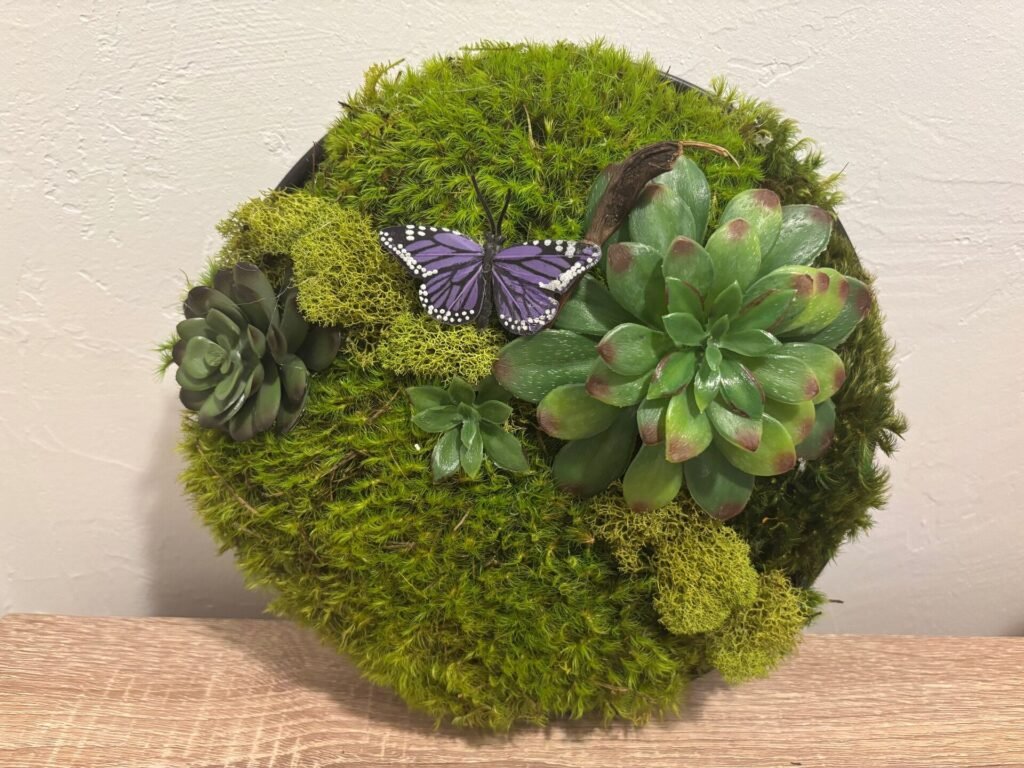
Ultimately, the best placement for botanical art in a narrow hallway is one that respects the proportions of the room and uses the vertical space to create a calm, cohesive look. Whether you choose a single statement piece or a series of smaller panels, the aim is to add a touch of nature without overcrowding the passage. This approach to space saving nature inspired wall decor works well in compact apartments because it delivers visual interest without taking up floor space or creating visual clutter. By focusing on scale, spacing, and lighting, you can turn a narrow hallway into a serene, inviting transition that feels intentional and calm.
A narrow hallway does not have to feel like a squeeze. With thoughtful placement, botanical art can transform it into a restful corridor that connects the rooms of your home. The key is to keep the arrangement simple, the scale appropriate, and the lighting soft. When done well, this kind of space saving nature inspired wall decor brings a sense of the outdoors inside, making even the tightest hallway feel like a peaceful passage.